Digital Food Safety Records During Busy Kitchen Service
Keep accurate digital food safety records during busy service, with practical routines for temperature checks, cleaning, shift handovers and missed entries.
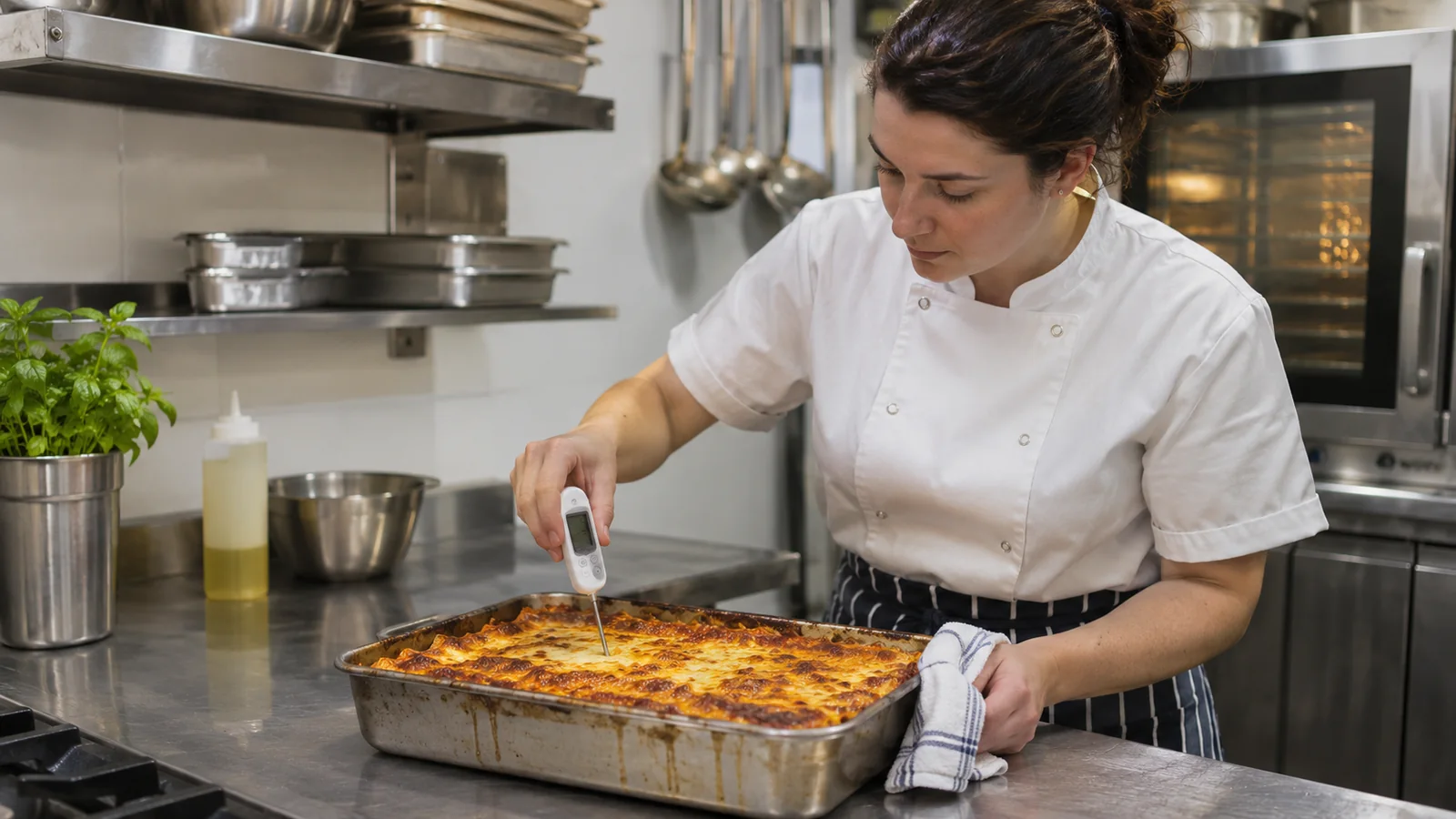
How do you keep accurate records when the kitchen gets busy?
Complete each required check at the right stage, record the actual result while it's fresh and give someone responsibility for following up problems. Digital food safety records can make that routine easier, provided staff know what to check and when.
In a café, restaurant, takeaway or pub kitchen, the pressure usually arrives at predictable moments: opening, deliveries, the lunch rush and shift changes. A temperature gets checked but not recorded. Someone assumes the next person will finish the cleaning sheet. By closing time, nobody can explain the gap confidently.
Build recording into the task itself. Checking a batch, dealing with any failure and saving the result belong in the same working routine.
Match your records to the food you prepare
HACCP means identifying food safety hazards and managing the controls needed to deal with them. Your records should support those controls and reflect your actual menu, equipment and processes.
The government's food safety management guidance explains the need for HACCP-based procedures and current supporting records. Simplified approaches are available for smaller businesses. Scottish caterers can use Food Standards Scotland's CookSafe guidance.
Common records include fridge and freezer checks, cooking and reheating results, cooling records, cleaning tasks, allergen information and staff training. Delivery and traceability records may also be needed. The details and checking frequency depend on the operation; this isn't a universal list of daily forms required by law.
Keep reference information separate from checks that need completing during a shift. A training record needs updating when instruction happens. An allergen matrix needs reviewing when ingredients or recipes change. Neither becomes reliable simply because someone ticks the same box every morning.
For a wider explanation of what to retain, see our guide to food safety records for inspections.
Give every check an owner and a clear trigger
“Everyone checks the fridges” can leave nobody responsible. Allocate the job to a named person or shift role, with a deputy for breaks and absence.
Use triggers that fit your procedures. The opening supervisor might check cold storage before preparation begins. The cook checks a relevant batch before release. The closing team completes the tasks assigned to that shift.
| Point in the shift | Practical recording routine |
|---|---|
| Before opening | Complete the agreed checks and resolve anything that prevents safe preparation |
| During preparation and service | Record process checks at the stage specified in your safe method |
| At handover | Identify unfinished checks, restricted equipment and actions still open |
| Before closing | Review missing entries and confirm who owns any remaining follow-up |
These are suggested working arrangements, not statutory checking intervals. Don't reduce monitoring to one morning check if your procedures require further checks during service.
Six checks to build into the working day
1. Check refrigeration
Identify the unit and record the actual reading using your agreed method. If the result falls outside your procedure's limit, assess affected food and act. A later acceptable reading doesn't explain what happened earlier.
2. Verify cooking and reheating
Follow the safe method for the food and process. Record the batch or item clearly, rather than writing “hot food” against an unexplained number. Our guide to core temperature checks and cooking records explains measurement technique.
3. Complete opening checks
Look at the kitchen before signing it ready. Check the items in your opening procedure, such as handwashing facilities, preparation areas and equipment condition. Deal with failures before affected work starts.
4. Confirm cleaning is complete
Sign off tasks after they're done. Make the task specific enough for staff to understand what needs cleaning and which method to use. A tick against “kitchen clean” tells the next shift very little.
5. Check allergen information
Look for changed recipes, supplier substitutions and ingredients introduced that day. Make sure staff can access the current information. Don't assume yesterday's allergen details still describe today's dish.
6. Record problems and corrective actions
Explain the failure, the food or equipment affected, the action taken and the follow-up. “Manager told” can be an initial step, but it doesn't show that control was restored.
Make shift handovers specific
An unfinished action needs a person and a next step. “Fridge issue” leaves too much unexplained. State which unit is affected, its restrictions, what happened to the food and when someone needs to check again.
Before leaving, the outgoing supervisor should show the incoming person any open issue. The incoming supervisor then knows what remains under their control. Don't rely on a message that nobody has acknowledged.
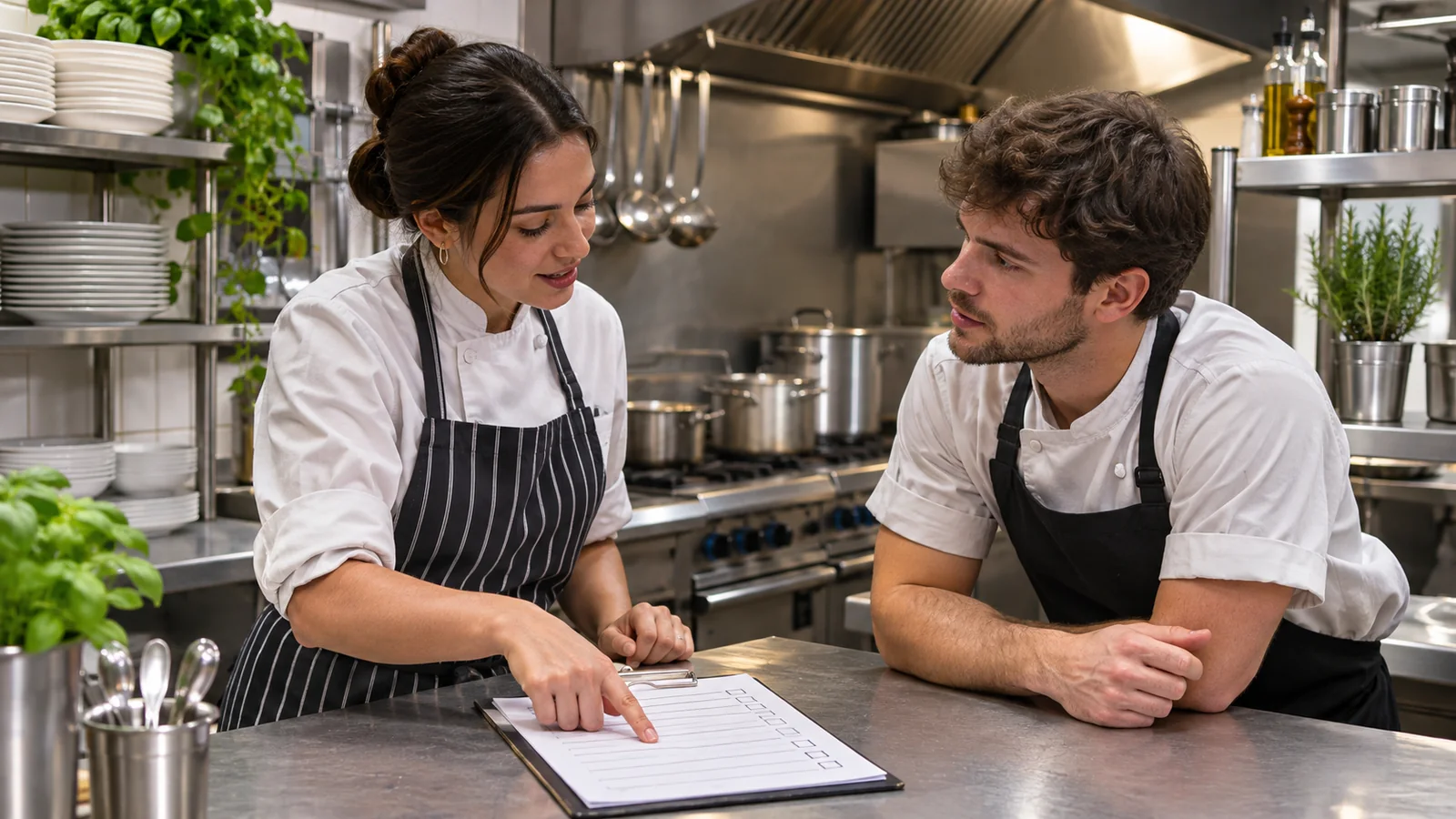
What should you do about a missed entry?
First establish whether the check was missed or only the recording. Ask the person responsible and consider any genuine evidence available. Don't fill a blank with an assumed temperature.
Record the gap honestly, including when it was discovered and what you can establish. If making a late entry about a check that genuinely happened, make its timing clear. Keep the observation time distinct from the time the entry was made.
Assess any current food safety risk and follow your procedure. Checking now can help establish the present condition, but it can't recreate an earlier measurement. Investigate repeated gaps: unclear responsibility, awkward forms or an unrealistic workload may need changing.
Where digital HACCP records help during service
Paper sheets can become separated, damaged or left until later. A digital system can bring entries together and make previous checks easier to retrieve. Shared access also means the duty manager can review records without waiting for a particular folder.
Keep the entry process practical. Staff should know which record to select, how to identify the item and where to enter a corrective action. Test access before the rush and agree what to do if the usual device isn't available.
PDF reports can help when reviewing or sharing records for an inspection. Check the dates and record types included in an export. A report is useful only if its underlying entries are accurate.
Give managers a short daily review
Review for unexplained gaps, repeated failures and actions that remain unfinished. Compare the records with what you can see in the kitchen. A completed cleaning checklist alongside dirty equipment needs investigation.
Use the review to decide what happens next. If the same check is repeatedly missed at a shift change, change the handover arrangement and explain it to staff. Training should include a demonstration of the check and a practice entry, including what to do when it fails.
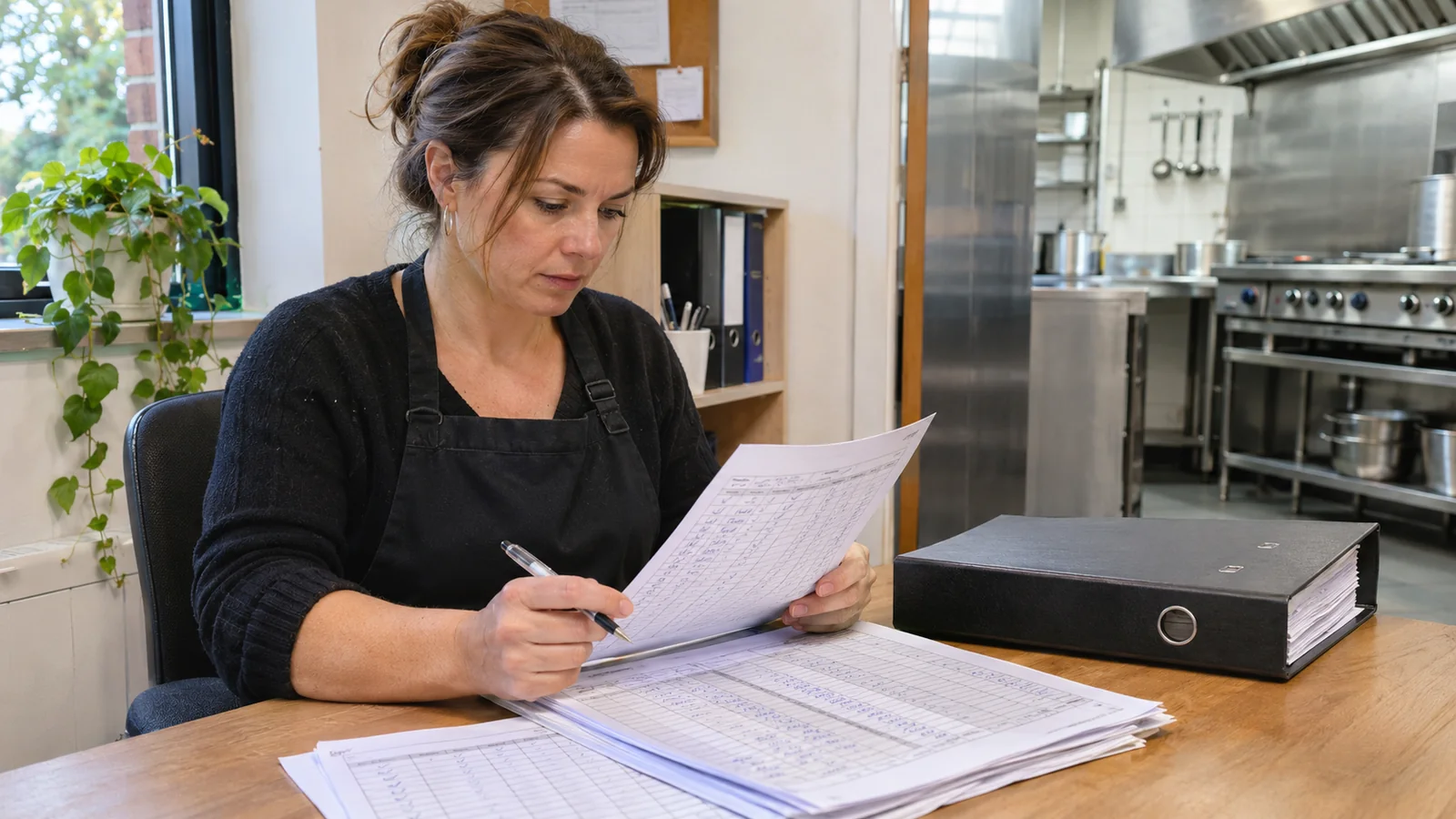
Using HACCP Records in your kitchen
HACCP Records is a web app for keeping relevant food safety records together. Temperature records capture checks, customisable checklists help organise routine tasks, and PDF reports support record retrieval and review. The service also includes cleaning, training and allergen records where these fit your operation.
Set it up around your own procedures and show staff how to use it before service. Software supports HACCP compliance work; it doesn't replace suitable controls, staff competence or management judgement.
Start your free three-day demo. No card required. Plans start at £8.99 per month.
Frequently asked questions
Are digital food safety records accepted by UK environmental health officers?
Electronic records can be used. The FSA's record-keeping guidance recognises electronic storage. Records still need to suit your operation and be readable and accessible when required; using software doesn't guarantee an inspection outcome.
Do small food businesses need HACCP records?
Most catering businesses need HACCP-based procedures with proportionate supporting records. The records should reflect the food and processes involved. Ask your local authority if you're unsure what your particular operation needs.
How long should food safety records be kept?
There isn't one period covering every record. Consider the activity, product shelf life, applicable requirements and your food safety system. Set a retention policy and seek local authority advice where needed.
Can food safety records be completed on a mobile phone?
Yes. HACCP Records works through a web browser. Keep the device away from exposed food and follow your hygiene procedure when moving between device use and food handling.
The FSA's documentation and record-keeping guidance covers proportionate records, storage, access and retention considerations.
Guidance and links checked on 9 November 2026. Images are AI-generated illustrations.