Returning to Food Work After Illness: A Small Kitchen Guide
Understand the usual 48-hour rule after vomiting or diarrhoea, check staff are fit to return and keep useful food safety records in a busy small kitchen.
Returning to food work after illness: when is it safe?
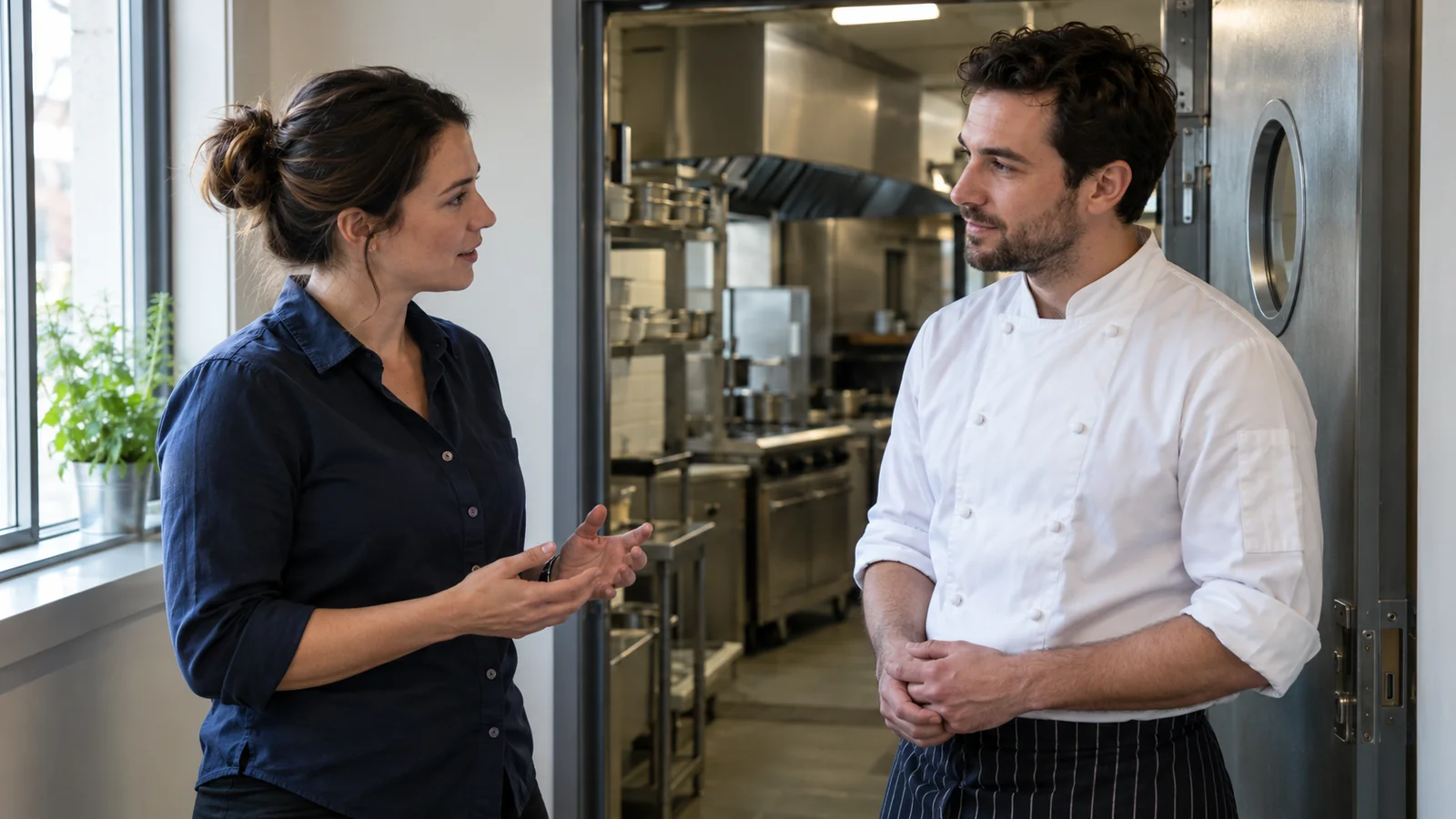
It’s Saturday morning. Your café has a full booking sheet and one cook has called in sick. Another team member, who was vomiting yesterday, offers to come back because they feel much better. You need the help, but feeling better isn’t enough to decide whether someone can safely handle food.
For vomiting or diarrhoea, Food Standards Agency guidance normally means staying away from work with or around open food for 48 hours after symptoms stop naturally. Some infections need further advice or a longer exclusion. A manager should check the circumstances before the person starts their shift.
What’s the food safety risk?
An infected food handler can spread illness through food, hands and contaminated surfaces. Someone making sandwiches or dressing salads may contaminate food that won’t receive any further cooking. A person washing utensils or clearing plates can also spread contamination indirectly.
That’s why moving an unwell cook onto washing up isn’t automatically a safe solution. Think about the food-handling area as a whole, including shared taps, handles, utensils and worktops.
The FSA’s fitness-to-work guidance explains the reporting and exclusion responsibilities. Staff should tell management about relevant illness, including vomiting, diarrhoea, infected skin and other symptoms listed in the guidance. They should also report diarrhoea or vomiting in their household so the manager can assess the situation.
Household illness doesn’t automatically mean every employee must be excluded for 48 hours. It means you need to consider the risk and seek advice where necessary.
What does the law require?
The legal duty is to prevent someone handling food or entering a food-handling area where their illness, infection or carrier status creates a likelihood of direct or indirect contamination. Affected employees who are likely to come into contact with food must report the illness or symptoms immediately.
This is set out in Regulation (EC) No 852/2004, Annex II, Chapter VIII. The FSA guidance explains the applicable legal framework for England, Wales and Northern Ireland.
The usual 48-hour period is official guidance for managing vomiting and diarrhoea. It isn’t a universal clearance period for every illness. In Scotland, use Food Standards Scotland’s CookSafe personal hygiene guidance alongside any advice from your local environmental health team.
How to apply the usual 48-hour exclusion
Count from the last episode of vomiting or diarrhoea, whichever happened later, once symptoms have stopped naturally.
For example, if the last episode was at 10 pm on Monday, Wednesday’s lunchtime shift is too early. Forty-eight hours won’t have passed until 10 pm on Wednesday. That calculation assumes no further symptoms and no other reason for continued exclusion.
Don’t count from when the employee phoned in sick or when their last shift ended. If symptoms return, reassess using the latest episode.
Medication also matters. A person whose diarrhoea is suppressed hasn’t necessarily recovered. CookSafe advises that staff taking anti-diarrhoeal medication should remain symptom-free for at least 48 hours after stopping it.
If someone has a diagnosed infection, has been formally excluded or has received specific advice, don’t override it because 48 hours have passed. Ask environmental health or the relevant healthcare professional what’s needed before return.
Practical food safety management before the next shift
Make reporting straightforward
Tell everyone who to contact if they’re ill, including before early starts or weekend shifts. Include temporary staff, working owners and anyone helping in the kitchen.
Explain which symptoms must be reported and why. A rule hidden in an induction folder won’t help if the person thinks they should turn up and ask later.
Avoid creating pressure to conceal symptoms. Plan how you’ll manage a reduced team: a shorter menu, fewer bookings or a delayed opening may be necessary to maintain safe service.
Check fitness before duties begin
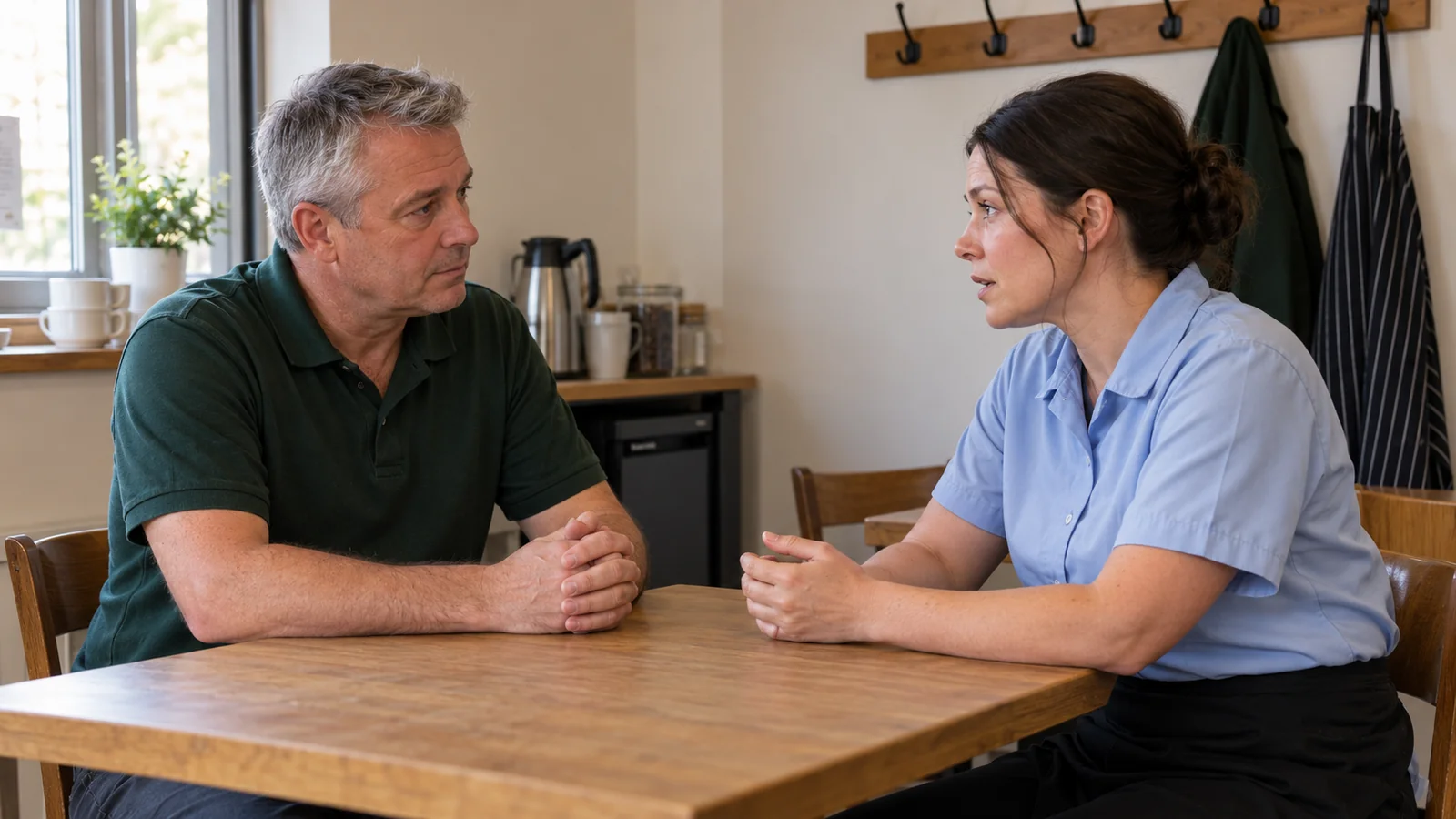
Have a short, private conversation. Establish the relevant symptoms, when they last occurred and whether any restrictions or professional advice apply. Don’t ask the employee to diagnose themselves.
A return-to-work questionnaire can help you ask consistent questions. The FSA’s Safe Catering fitness-to-work assessment is one official example. Using that exact form isn’t a universal legal requirement.
Agree the decision before the employee puts on an apron and starts preparation. If the information is unclear, keep them away from duties that could contaminate food while you obtain advice.
Assess wounds and other symptoms separately
An infected cut or sore needs its own assessment. The vomiting and diarrhoea timetable doesn’t answer whether that person can safely work.
Don’t assume a plaster makes an infected wound safe. Consider the condition, proposed duties and possibility of contamination, and seek advice if needed. Our guide to cuts and waterproof dressings for food handlers covers everyday wound controls in more detail.
Which HACCP records help show the control is working?
Staff illness is normally managed through personal hygiene procedures supporting your HACCP-based system. It doesn’t automatically need to become a separate critical control point. HACCP records should help explain what you controlled and what happened when something went wrong.
The FSA’s record-keeping guidance says documentation should suit the nature and size of the operation. A small takeaway needs useful evidence, rather than paperwork nobody reads.
As recommended practice, keep a concise record such as:
| Record | Useful detail |
|---|---|
| Illness report | Who reported, when and the food safety concern |
| Relevant timing | Date and time of the last vomiting or diarrhoea episode |
| Exclusion decision | Duties restricted and when the decision will be reviewed |
| Return check | Information checked, decision, date and responsible manager |
| Corrective action | Food affected, cleaning completed and advice obtained |
Record only relevant information. Keep sensitive health details private and limit access to people who need them. A shared kitchen diary can record that a fitness check was completed without displaying someone’s medical history.
If you discover an early return, record the actual sequence and your response. Don’t change an earlier entry to make it appear the check happened on time. Our guide to food safety records to have ready for an inspection explains how records can help you demonstrate day-to-day controls.
What if someone has already worked while ill?
Act when you find out. First, remove the person from duties and areas where they could contaminate food. Establish when symptoms began, what they handled and which areas they used.
Assess potentially affected food and stop it being served while you decide what action is necessary. Discard food that can’t be shown to be safe. If potentially unsafe food has already been supplied, contact your local environmental health team promptly for advice on the response, including any withdrawal or recall needed.
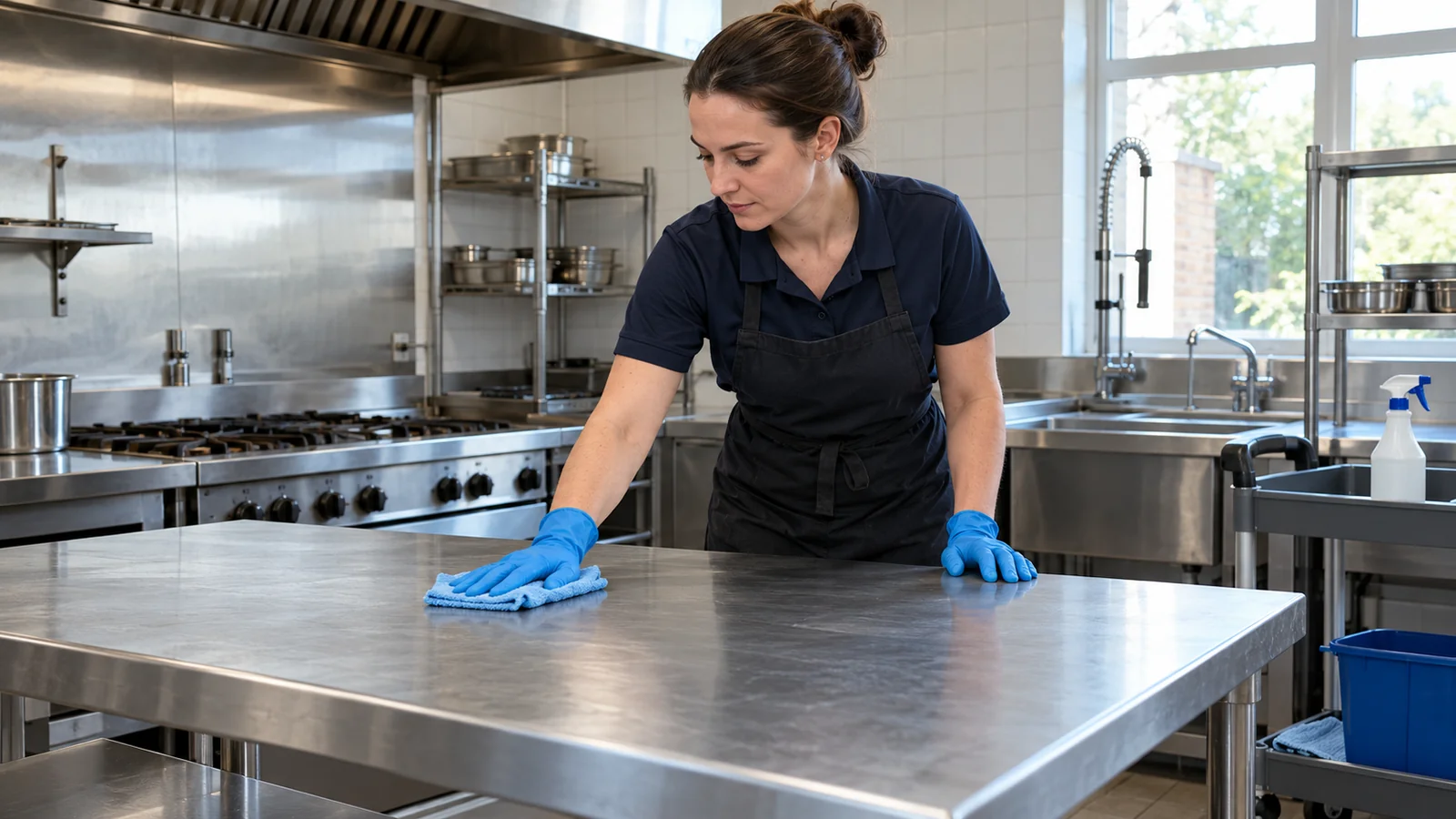
Arrange effective cleaning and disinfection of affected areas using suitable products and their instructions. Include shared touch points and toilet facilities where relevant. FSA guidance specifically advises effective cleaning when someone has worked while suffering an infection.
Record who completed the actions and when. Then investigate why the control failed: unclear reporting, an unchecked shift change or pressure to cover a busy service may need different fixes.
Common mistakes to avoid
- Accepting ‘I feel fine’ as the whole check. Confirm symptom timing and relevant advice.
- Counting from the sick call. Use the last symptoms, not the start of absence.
- Moving someone onto washing up without assessment. Indirect contamination still matters.
- Treating every illness identically. Different conditions may need different restrictions.
- Completing the form after service. Make the decision before food duties begin.
- Recording exclusion without covering the shift safely. Adjust service to what the remaining team can manage.
How digital food safety records can help
Paper forms can work, but separate sickness notes, kitchen diaries and folders make previous decisions harder to find. Digital food safety records can help you record relevant checks, keep them with other food safety records and retrieve earlier entries.
The app supports digital record entry, centralised storage and historical record retrieval. You can use its corrective actions to record relevant, non-sensitive personal information, such as the name of the manager responsible for arranging cover or confirming that cleaning has been completed. Keep the entry focused on the food safety action, who’s responsible and when it was completed.
For example: “Food preparation duties reassigned. Preparation area cleaned and disinfected. Completed by Alex, shift manager, at 10:30.” Don’t include the affected employee’s symptoms, diagnosis, medication or other medical details in the corrective action. Keep confidential health information in a separate, suitably restricted personnel record.
If a check or decision has gone unrecorded, use our guide to missing food-handler illness decisions to restore control, record the gap honestly and improve the handover.
If you want to make your HACCP records easier to complete, organise and retrieve, start your free demo. The manager still needs to assess fitness and take action. Recording a decision doesn’t make an unsafe return acceptable.
Before a food handler returns: a practical checklist
- Confirm the symptoms and when they last occurred.
- Apply the usual 48-hour exclusion after vomiting or diarrhoea stop naturally.
- Check medication, continuing symptoms and any specific exclusion advice.
- Seek environmental health or healthcare advice when the position is unclear.
- Record the return decision before food duties begin.
- Complete and record any corrective action from work carried out while ill.
- Confirm the employee knows to report symptoms immediately if they return.