Could Your Approach to Eating and Drinking in Food Preparation Areas Be Putting Food Safety at Risk?
Eating and drinking near food preparation can spread contamination. Set practical staff rules, respond to problems and keep useful food safety records.
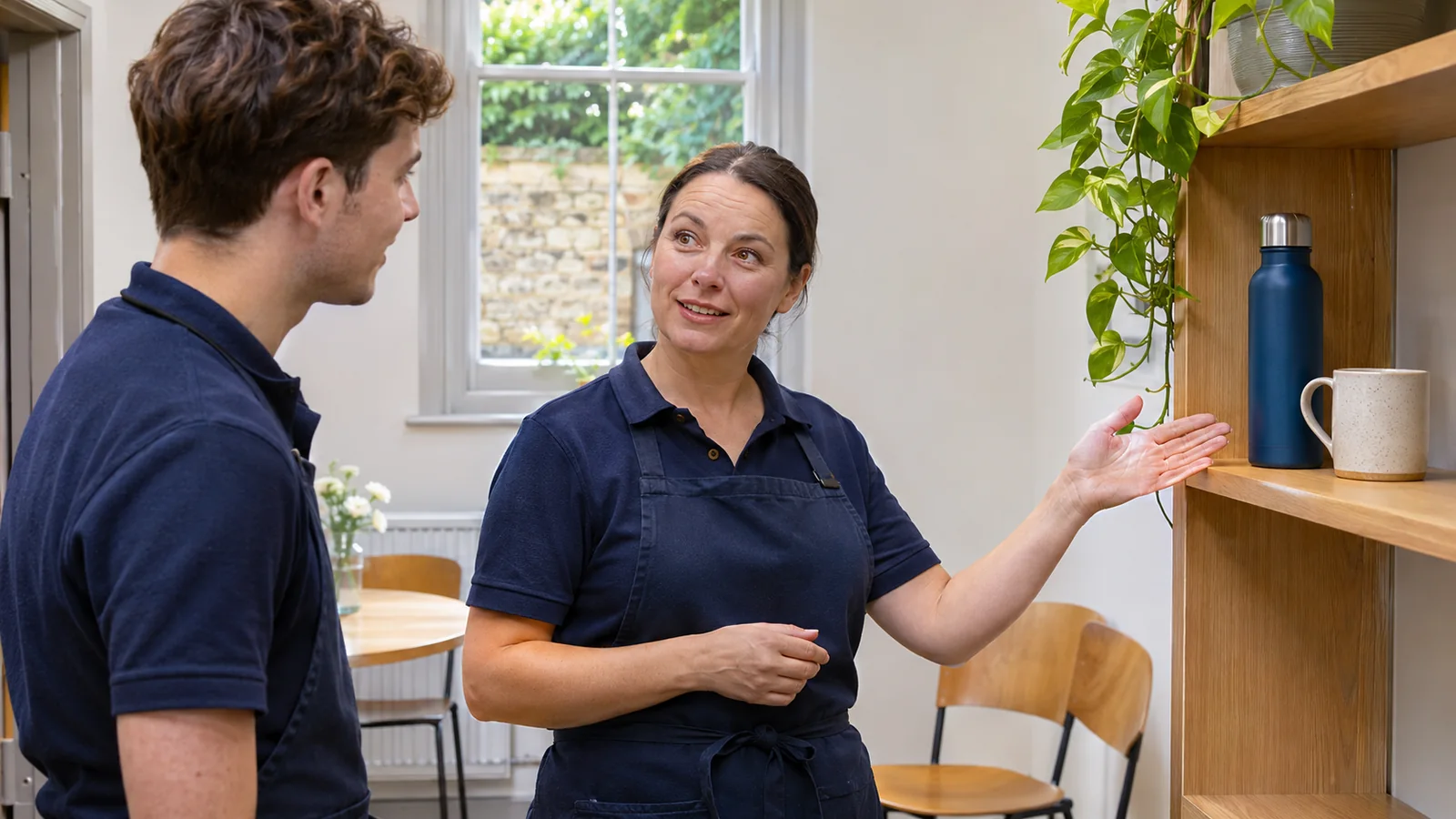
A quick sip can interrupt a safe routine
The lunch queue is growing. A team member leaves a coffee beside the sandwich board, takes a sip and carries on assembling orders. Another eats a biscuit while waiting for the fryer. Nobody thinks much of either habit because they're busy.
These are practical food safety management problems. Hands move between mouths, cup rims, wrappers and food. Personal snacks can also introduce ingredients and crumbs into a preparation space where they don't belong.
The sensible approach is to keep staff eating and drinking away from food preparation work, provide a suitable alternative and make handwashing part of returning to the job. Supervisors need to follow the same arrangement.
What does UK guidance say about eating and drinking?
GOV.UK guidance on staff hygiene advises staff not to eat or chew gum while preparing or handling food. It also covers avoiding face touching and washing hands before preparing food.
The FSA's Safe Catering guidance for Northern Ireland advises against drinking as well as eating while handling food. It explains the route from a person's mouth or face to their hands and then to food.
The underlying duties concern safe food, personal cleanliness and appropriate hygiene controls. A designated staff drinks area is a practical way to manage those risks. Don't confuse your own detailed workplace arrangement with a claim that every UK food business must have an identical staff room or use a particular bottle.
Apply the food safety system relevant to your business and location. If your layout makes separation difficult, ask your local authority's food safety team for advice on a workable arrangement.
Where can contamination happen?
Think about the sequence of actions rather than whether the drink looks tidy. A worker touches the part of a bottle that contacts their mouth, replaces the cap and immediately handles a bread roll. The bottle may be closed, but the hand contact still matters.
A lidded cup helps contain a drink. It doesn't remove the need to keep it away from preparation work or wash hands after drinking.
Personal food creates other questions. Could a snack containing nuts leave crumbs beside a meal prepared without nuts? Could milk from a coffee spill onto a worktop or utensil? These are examples to consider in your own assessment, rather than reasons to assume every cup has contaminated the whole kitchen.
Our guide to personal habits that spread contamination covers face touching, payments, cloths and gloves, including safe changes between tasks.
Set a rule that fits a real shift
Choose the place before telling people to move
Decide where staff meals, snacks and drinks belong. A separate break area is preferable. In a cramped takeaway or catering trailer, agree a location away from exposed food, clean utensils and working preparation surfaces. It shouldn't obstruct access to the handwash basin.
Don't choose the sink surround, a food storage shelf or the end of the sandwich counter simply because there's a gap. Walk through how staff will use the arrangement during service.
Keep personal food identified and separated from business ingredients. If staff meals need refrigeration, include suitable storage in your arrangements rather than leaving lunch bags on a worktop all morning.
Give people time to use it
Telling staff to keep drinks away from the kitchen won't work if they can't leave their station. Arrange short opportunities to step away for a drink and suitable cover for breaks.
In a small café, one person might cover the counter while another drinks in the designated area. At an event, agree this before the queue builds. Review the arrangement when staffing or the layout changes.
This should support access to drinking water. The aim is a safe place and routine, not discouraging staff from drinking.
Include everyone who enters the working area
Explain the rule to new starters, temporary staff, owners and visiting contractors. A manager's coffee on the pass quickly undermines instructions given to everyone else.
Use a short demonstration: show the drinks location, the route back to the handwash basin and where staff should leave personal food. Ask the person to explain the routine back to you. That's more useful than a signature on a rule they haven't understood.
For keeping those explanations organised, see our article on food safety training records.
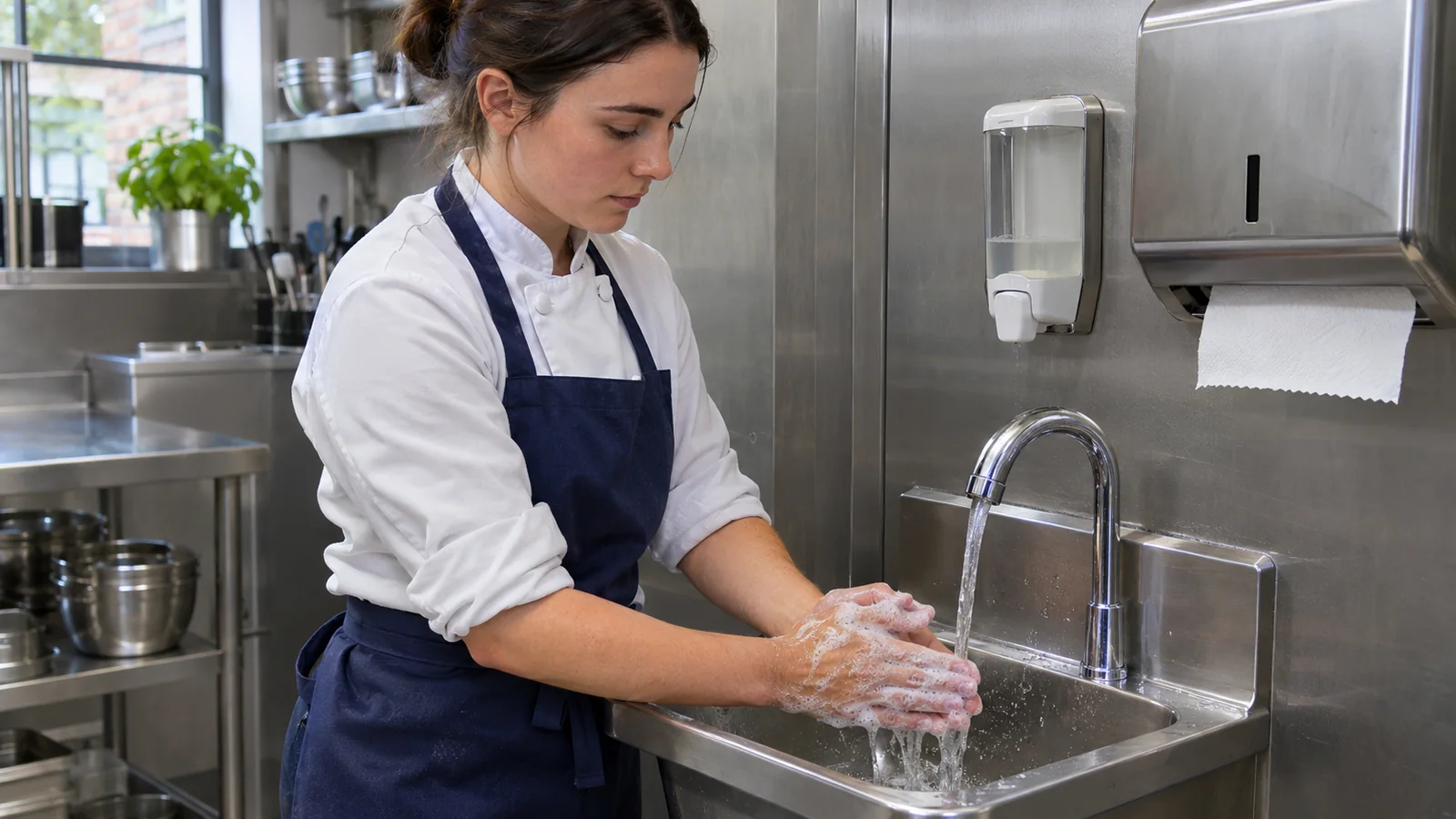
Keep tasting separate from snacking
Checking a sauce for seasoning is a controlled kitchen task. Eating your lunch at the preparation counter is a different activity.
As a practical tasting method, take a small sample with a clean utensil and transfer it to a separate tasting spoon or dish. Keep anything that has touched a mouth out of the food and away from clean utensils. Put used tasting equipment straight into the washing process.
Explain this distinction during induction. Otherwise, “the chef tastes food here” can become an excuse for staff to eat beside open ingredients.
What should you do when the rule isn't followed?
Deal with the immediate food safety issue calmly. Move the personal food or drink, have the person wash their hands and assess what they touched. Don't stop at telling them to be more careful.
| What you find | A practical response |
|---|---|
| A cup on an empty preparation bench | Remove it and assess whether the surface needs cleaning and disinfection before use. |
| Someone eats, then handles ready-to-eat food | Stop the task, require handwashing and assess affected food; discard food that may have been contaminated. |
| A personal snack spills near ingredients | Isolate affected items and assess contamination, including allergens, before restarting. |
| The same problem keeps returning | Check break cover, storage and supervision, then change the arrangement and brief the team. |
A corrective action is the action taken when a control fails. It may include disposing of affected food, cleaning the area, changing how breaks are covered or explaining the routine again.
Record what actually happened. Don't automatically discard unrelated stock, but don't keep food that may be unsafe simply because you can't see contamination. Where the extent is unclear, hold affected food out of use while a competent person assesses it.
What evidence belongs in your HACCP records?
Eating and drinking controls normally sit within general personal hygiene arrangements supporting your food safety system. You don't need to label every staff habit a critical control point, or create a separate form for every sip of water.
GOV.UK guidance on food safety management systems explains that businesses should keep records of their systems, checks and action taken when something goes wrong. Keep your records useful and proportionate to your operation.
Useful evidence might include your hygiene instructions, a record of the staff briefing, relevant supervisory observations and notes about significant failures. Keep the detail proportionate.
For an incident, note the time, location, activity, affected food or equipment, immediate action and follow-up. “Drink removed” is less useful than explaining whether food contact occurred and how the area was made ready for use again.
A fictional example might read: “Personal coffee found beside sandwich preparation. Work paused. No spill seen; affected surface cleaned and disinfected. Team reminded of drinks location. Manager checked the area later in service.” Only record these actions if they actually happened.
Our guide to food safety records for an inspection covers making evidence easy to find and understand.
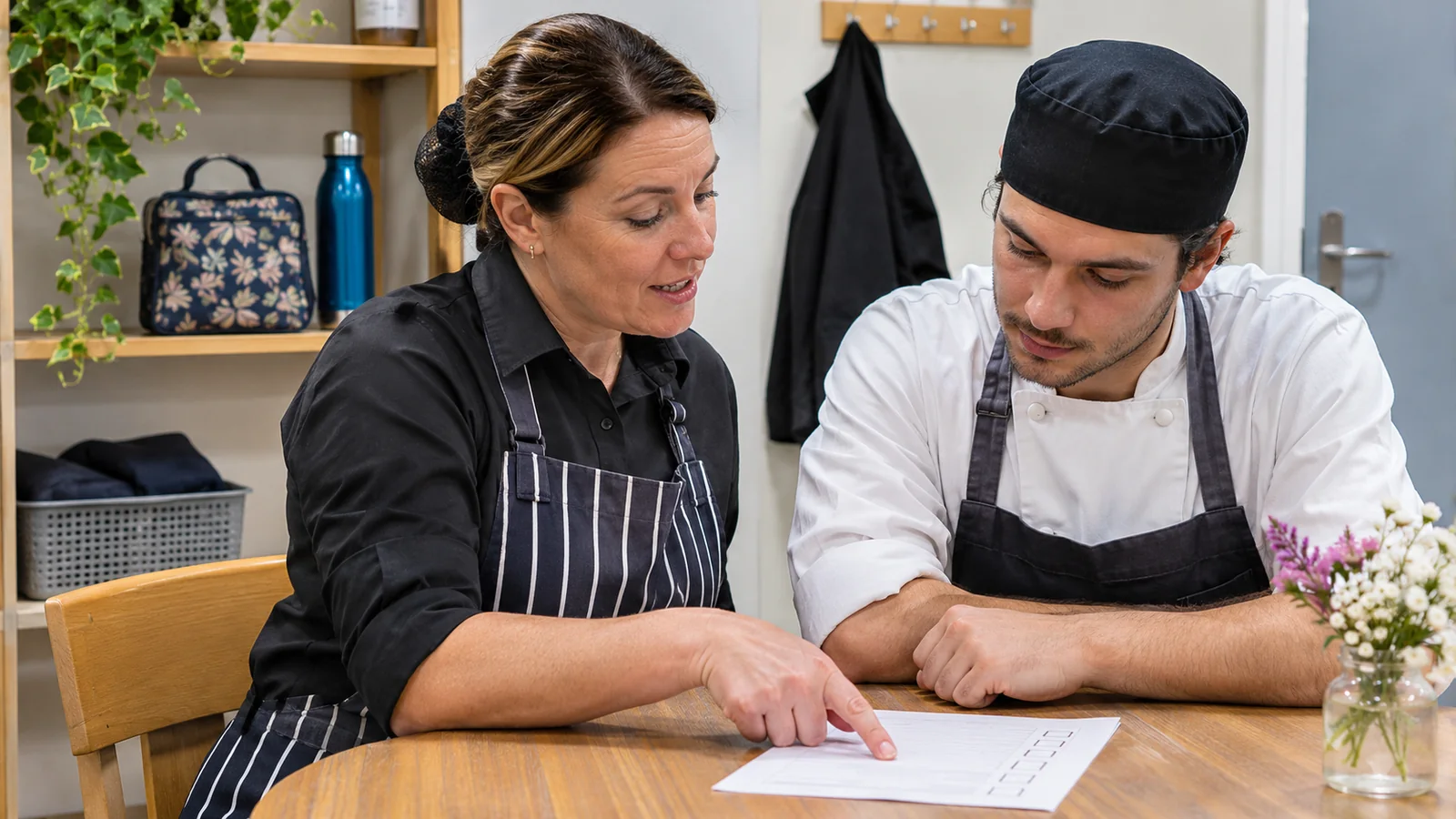
How digital food safety records help
HACCP Records lets you enter relevant food safety records digitally, keep them centrally and retrieve previous entries. For this topic, that can mean keeping a meaningful hygiene observation with the other records from the business, rather than on a loose sheet in a separate folder.
Looking back at previous entries can help you spot a recurring problem. If drinks repeatedly appear beside the same workstation, review the nearby storage and break arrangements. Recording a problem repeatedly without changing the conditions won't solve it.
Choose checks that provide useful information. A completed entry should reflect a check someone actually made. Digital food safety records support management decisions; staff still need clear instructions and supervision.
Create your HACCP Records account to move relevant checks into one organised online record system.
A practical check before your next service
Eating and drinking arrangements
- Staff have a suitable place for food and drinks away from preparation work.
- Break cover allows people to use that space.
- Everyone understands handwashing before returning to food preparation.
- Tasting uses clean utensils without returning mouth-contact equipment to food.
- Supervisors assess affected food and surfaces when a problem occurs.
- Significant failures and follow-up actions are recorded and reviewed.